
The European Commission’s webinar “AI in Tourism: Transforming Destinations, Skills and Strategy”, held on 12 November 2025, has been recognised as a major success, drawing 439 registrations and 262 active participants from 27 EU Member States and 12 non-EU countries. The event confirmed the growing strategic importance of artificial intelligence for the future of European tourism
Hosted under the Transition Pathway for EU Tourism, the event brought together leading voices from DMOs, academia, industry, and the tech sector. ARCTUR played a prominent role throughout the programme—both in leadership and expert contributions.
The webinar was co-moderated by Urška Starc Peceny, Chief Innovation Officer at ARCTUR, in her role within the T4T Digital Subgroup. She guided the debate through the full agenda, from best-practice showcases to policy considerations, ensuring a strong focus on digital transformation, innovation, and real-world implementation of AI across tourism destinations.
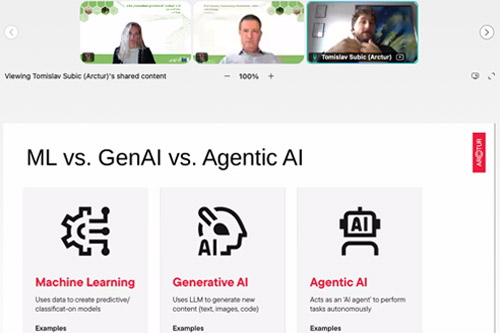
In Session 2: “Skills and AI in Tourism”, Tomislav Šubič, Head of AI & HPC at ARCTUR, delivered one of the central presentations: “Helping destinations with AI and HPC.”
Šubič highlighted how advanced computation and artificial intelligence are already enabling smarter, data-driven decisions across European destinations. His contribution showcased two of ARCTUR’s leading initiatives:
-
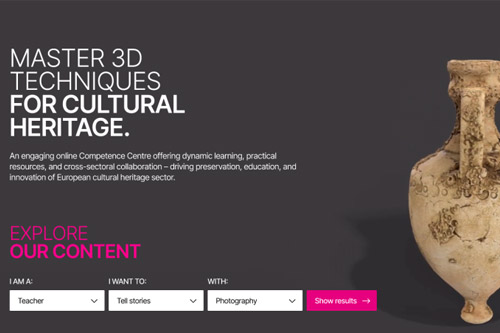
Cultural Heritage AI Assistant, developed under the LLMs4EU initiative, enabling conversational, immersive visitor engagement at historical sites.
-
FLOWS, an AI-powered predictive application using time-series modelling to forecast visitor numbers and support proactive tourism flow management. FLOWS was then also presented by Visit Ljubljana, on a real world example.
These examples illustrated how AI combined with high-performance computing can significantly improve operational efficiency, sustainability, and the visitor experience—positioning ARCTUR as a key innovation driver for the tourism ecosystem.
Key Insights Reflect Strong Industry Momentum
Across three thematic sessions, experts emphasised:
-
The rise of data-driven and predictive management in destinations (e.g., Ljubljana FLOWS, presented by Ljubljana Tourism).
-
The shift from traditional marketing to AI-powered stewardship of tourism ecosystems.
-
The growing importance of skills development, digital literacy, and ethical AI deployment.
-
The need for shared data spaces, strong governance frameworks, and compliance with the EU AI Act and GDPR.
-
The rapid emergence of hyper-personalisation, real-time analytics, and AI-enabled decision-making across hospitality and DMO operations.
These takeaways underline the sector’s readiness for accelerated digital transformation, particularly when supported by accessible tools, collaborative infrastructures, and targeted public investment.
The post-event survey confirmed the impact and value of the webinar:
-
87.5% satisfied or very satisfied with the webinar
-
93.8% found the content useful
-
81.3% gained a better understanding of AI in tourism
Watch the webinar here.
The European Commission is expected to make the webinar recording a featured topic on the Tourism Transition Pathway (T4T) platform—reflecting the strong engagement and relevance of the content.
From developing AI assistants for cultural heritage to forecasting tools for smarter visitor management, ARCTUR is committed to supporting destinations, SMEs, and tourism organisations as they navigate the opportunities and responsibilities of the AI era.